


One of the most widespread degenerative-dystrophic diseases today is arthrosis of the hip joint, otherwise known as coxarthrosis.This disease can affect one or both joints, but these processes occur gradually.In the initial stage of the disease, one joint is affected, and a little later the second.
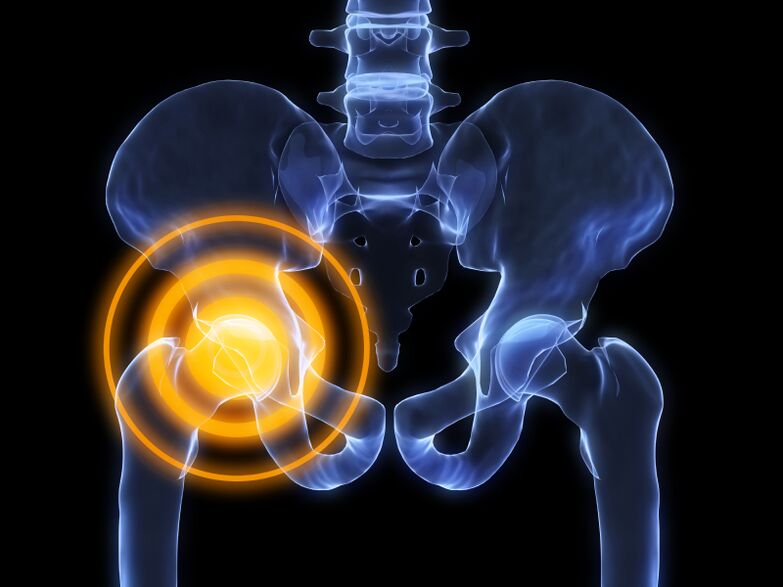
Most often, patients over the age of 40-45 suffer from coxarthrosis, but this disease has many causes and, in principle, can occur among people of different age groups.In children, fortunately, osteoarthritis of the hip joint is not common.Congenital dysplasia of the hip joint leads to infantile coxarthrosis.Its cause is the underdevelopment of the bone tissue and ligaments of this joint.Children born with this condition often experience hip subluxations and dislocations, when the head of the femur comes out of the socket.
Description and causes of the disease
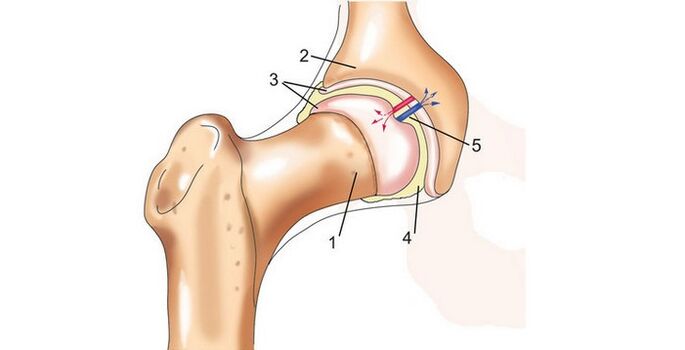
The hip joint is located between the ilium and the femur.This is why inflammation and pathology are called arthrosis of the hip joint of the sacroiliac joints.
The space between them also includes the synovial membrane and hyaline cartilage, together all these components ensure the normal functioning of the joint.All this is clearly visible in the photo of arthrosis of the hip joint.
The work of the hyaline cartilage resembles the work of a sponge.When contracting, depending on the load on the joint, it releases the necessary amount of fluid that has a lubricating effect.After the load stops, the cartilage pores fill with liquid again.One of the reasons for the development of a disease such as hip arthrosis is a change in the properties of synovinal fluid.
The causes of arthrosis of the hip joint can be, in addition to the work of the hyaline cartilage, also a slowdown in the metabolic process of the joint, which occurs due to poor circulation.These processes lead to atrophy of the muscles surrounding the joint.These muscles, during the normal functioning of all mechanisms and processes, perform a protective function for the joint.In case of careless movements, falls or jumps, they reduce the risk of injury.
The causes of the development of the disease can also be the consequences of injuries, inflammatory processes and infections occurring in the body, as well as congenital dislocations of the hip or congenital disorders of joint development (dysplasia).
Degrees and symptoms of osteoarthritis
There are four degrees of this disease:
- 1st degree osteoarthritis of the hip joint.At this stage of the disease, the patient feels some discomfort, this is especially pronounced after physical exertion, as well as when going down or climbing stairs.Pain in the first degree of hip osteoarthritis can occur in the area of both the hip and the knee.
- Osteoarthritis of the hip joint 2 degrees.This degree of the disease is characterized by the manifestation of pain of a more intense nature.In addition to physical activity, pain can also occur when the leg is at rest;with prolonged walking, lameness is also possible.The nature of the pain is pronounced, radiating to the groin, back or knee.The function of the joint with this degree of arthrosis is already impaired.
- With third degree hip arthrosis, the pain is constant, it does not stop even at night.The patient is able to move only with the aid of orthopedic devices (cane or crutches).The movement of the joint is severely limited.
- Osteoarthritis of the hip joint of the 4th degree is expressed by large bone growths (visible on an x-ray), severe pain, which constantly intensifies.This degree of arthrosis is also called pronounced.The function of the joint is completely impaired, movement is limited or impossible.It can only be treated through surgery.
Symptoms of arthrosis of the hip joint vary depending on the degree of the disease:
- lameness, reduced mobility of the legs in the hip area;
- stiffness of movement, both after exercise and at rest;
- atrophy of the thigh muscles and shortening of the affected limb.
The main symptom that provokes a visit to the doctor is pain.In this case, a timely visit to the hospital plays a special role, since most patients have complaints already during the active development of the second or even third degree of the disease.You should not wait until the pain becomes pronounced, as this is fraught with irreversible processes that can occur in your body.
Diagnosis of the disease
This disease requires a combined diagnosis.At the first stage, the doctor talks with the patient, determines complaints of pain and other factors causing anxiety.Next, the patient is examined to identify gait disturbances, the difference in the length of a healthy and diseased limb, as well as pain that occurs during palpation.Additionally, the sensitivity of the diseased areas is examined to reduce it, and a process is performed to determine the functions of nearby joints.Already at this stage of diagnosis, the doctor can make a presumptive diagnosis: hip arthrosis in one stage or another.
After the conversation and the exam, it is time for laboratory and instrumental studies:
- First of all, the patient is sent for an x-ray.Plain and axial x-rays give the doctor the opportunity to see an almost complete picture of the disease.
- If the x-ray is not sufficient, the patient is sent for magnetic resonance imaging or computed tomography.
- The essence of laboratory research is both a blood test to identify inflammatory processes in the body and the collection of synovinal fluid through a puncture.Using the latter it is possible to observe whether the composition of a certain fluid has changed, since these changes are often the cause of the development of coxarthrosis.
Treatment of hip arthritis
Treatment of coxarthrosis and its diagnosis should be combined.There is an opinion that the only safe way to get rid of hip arthrosis is surgery.But often, for a variety of individual reasons, such as general health or advanced age, surgery may be extremely undesirable or impossible.In this case, coxarthrosis should be treated in other ways.Here everything depends not only on the conditions in which the patient is, but also on the stage of the disease.
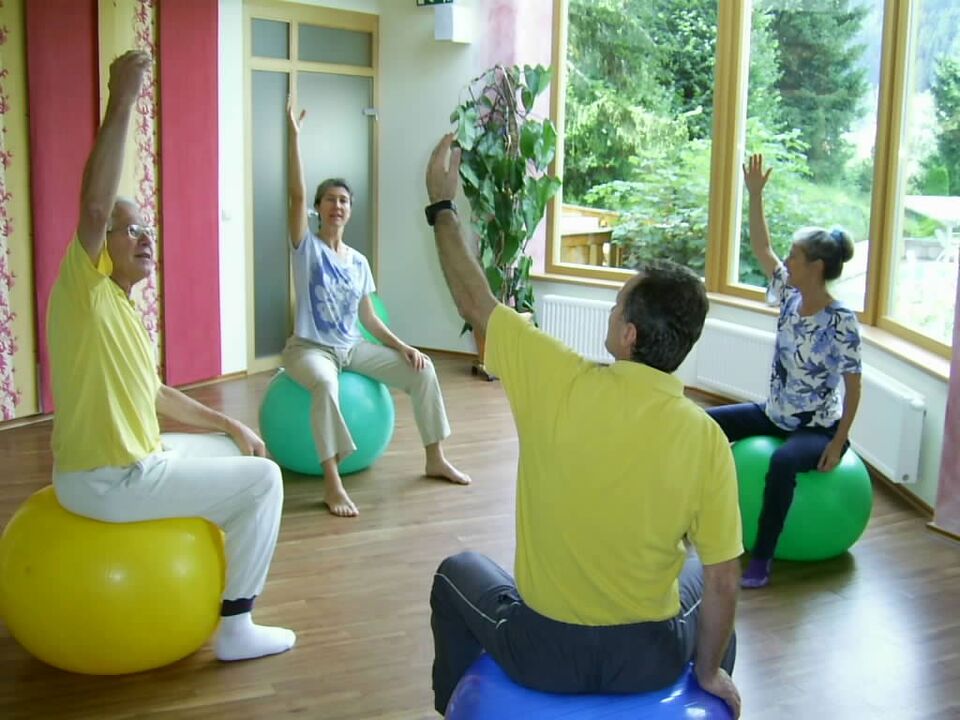
First degree osteoarthritis can be completely cured without surgery.Of course, this treatment is complex and requires a lot of effort, which the patient must make for his recovery.A number of procedures performed for hip osteoarthritis include:
- drug treatment to relieve inflammation, reduce pain and improve metabolism in the joint area;
- the patient must regularly perform special sets of exercises prescribed by the doctor;
- The diet for arthrosis of the hip joint of the 1st degree also plays an important role, since the processes of blood circulation and metabolism in the body and especially in the area of the hip joint depend on proper nutrition.
In the second degree of the disease, there can be no question of a complete recovery, since deformation has already occurred in the bones, however, with the help of a number of certain procedures, it is possible to postpone the operation for a longer period or avoid it altogether.In addition to drug treatment with the same painkillers and anti-inflammatories, a set of exercises and a special diet, second-degree hip arthrosis also requires hospital treatment 1-2 times a year.
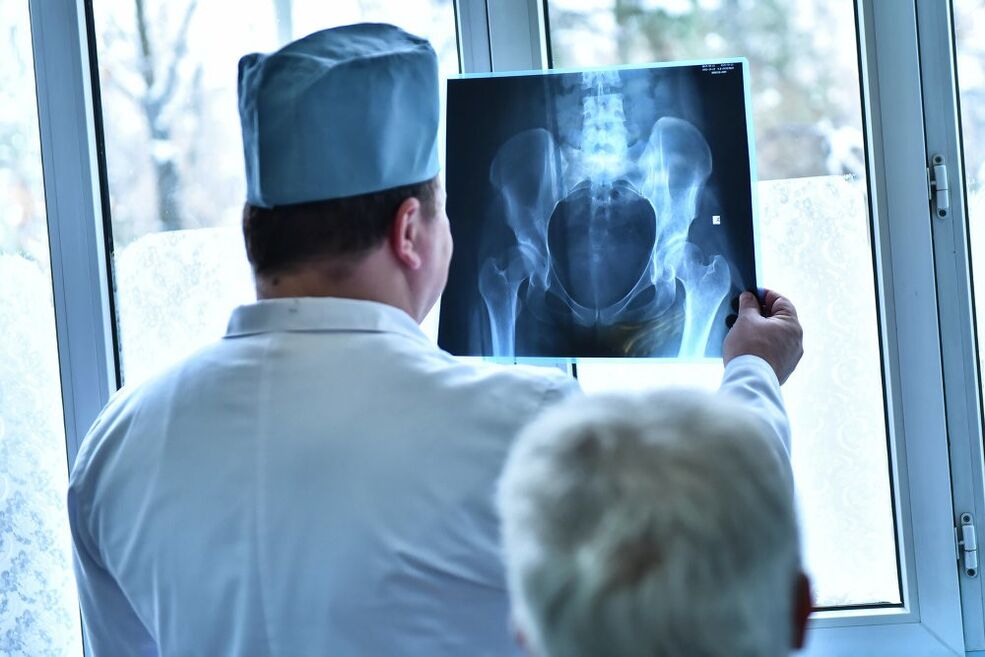
The third stage of arthrosis requires surgery.The joint tissue is severely depleted, the deformation in the joint area is irreversible, and there is probably no other way out.However, there are especially persistent patients who, with the help of incredible efforts and constant work on themselves, achieve significant improvements without surgical intervention.
Diet and folk remedies in the treatment of coxarthrosis
As mentioned above, an important part of treating hip osteoarthritis is diet.The diet of a patient suffering from coxarthrosis must be balanced and include all the necessary microelements.The basis of any tissue in the human body is proteins, so it is necessary to eat dairy products and legumes, as well as gelatin and not very fatty jellied meat.It is necessary to take into account the fact that the goal of the diet, in addition to saturating the body with essential microelements, is weight loss.This is necessary to lighten the load on the joint.Based on this, you should reduce the consumption of fatty, salty and other high-calorie foods.
Treatment of arthrosis of the hip joint with folk remedies can relieve pain and reduce some unfavorable processes associated with this disease.However, any recipes of traditional medicine must be agreed with a doctor before use and used only with his approval.Here are some methods used for coxarthrosis:
- Cut a cabbage leaf with a knife, smear it with honey and apply it to the sore joint all night, wrapping it in cellophane and a wool bandage.
- Rub the joint with tincture of celandine in olive oil.To prepare it, pour 7-8 tablespoons of plant stems with a liter of oil and leave for two weeks.
- Mix aloe juice with eucalyptus and mint leaves and apply this composition to the sore joint several times a day.
- Treatment of arthrosis of the hip joint with salt is also common, as dry heat has a beneficial effect on eliminating inflammation and pain.Pour the salt, previously heated in a pan or in the oven, into a thick cloth bag and apply it to the sore spot.